How to Choose the Best Commercial Solar System for Your Business?
Choosing the right commercial solar system for your business can be daunting. With so many options available, how do you find the best fit? A commercial solar system should align with your energy needs and financial goals. Each business has unique requirements, and a one-size-fits-all approach rarely works.
When assessing commercial solar options, consider factors like energy consumption, available space, and budget. Experience in this field is crucial. Companies that have successfully implemented solar systems can offer valuable insights. Look for professionals who can guide you through the complexities of installation and maintenance.
However, not all solar solutions are perfect. Some businesses may underestimate their energy needs or overestimate potential savings. It’s essential to conduct thorough research and ask the right questions. The goal is to make an informed choice that supports your business's growth while embracing sustainable energy.
Understanding Your Business's Energy Needs
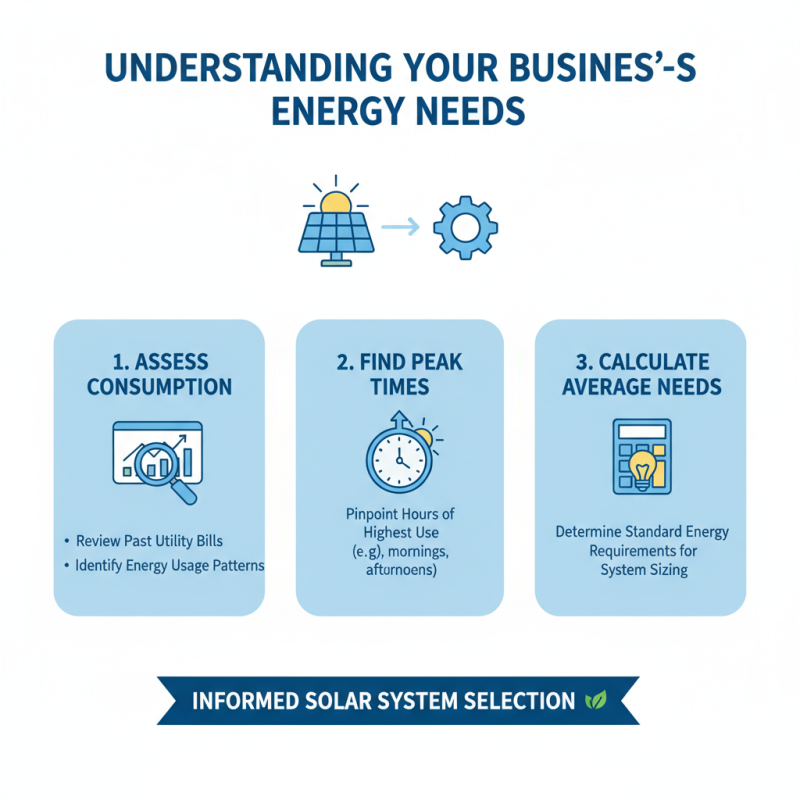
Understanding your business's energy needs is crucial when selecting a commercial solar system. Begin by assessing your energy consumption. Review past utility bills to identify peak usage times. This data helps you gauge your average energy needs effectively.
Consider the size of your business and its energy requirements. A larger facility may have different needs than a small office. Think about the type of work you do. A manufacturing firm generally consumes more energy than a retail store. Also, evaluate future growth plans. Will you expand in the next few years? This could impact your energy requirements.
Don’t forget about energy efficiency measures. Implementing these can reduce your consumption before installing solar panels. Use LED lighting or energy-efficient equipment. While these changes take time, they help in better sizing your solar system. Learning about your specific needs is essential, but your preferences might also evolve over time. Keep the conversation open within your team to stay aligned with your energy goals.
Evaluating Different Types of Commercial Solar Systems
When evaluating different types of commercial solar systems, it is vital to consider specific needs. One common type is grid-tied systems. They connect directly to the local power grid. These systems can reduce electricity costs significantly. However, they may offer limited backup power during outages.
Another option is off-grid solar systems. They function independently from the grid. This can be an appealing choice for remote locations. However, installation costs can be higher. Regular maintenance and battery replacement are also necessary.
Hybrid systems combine grid-tied and off-grid features. They enhance energy resilience. This choice provides the flexibility of using grid power when available and storing energy for emergencies. The complexity and cost, however, can be significant factors to consider. Each type requires careful consideration of how they align with your business goals and resources.
Assessing Cost and Financial Incentives for Solar Installation
When considering a commercial solar system, financial factors are crucial. Start by assessing the initial costs. Installation can vary greatly depending on size and complexity. Conduct a detailed cost analysis. This step often reveals unexpected expenses. It’s essential to budget for both installation and maintenance.
Next, evaluate available financial incentives. Many governments offer tax credits or rebates for solar projects. These incentives can significantly reduce your overall investment. Research your local policies comprehensively. Missing out on these opportunities can lead to higher costs. Consult with experts to ensure you access all possible options.
Understanding the long-term savings is equally important. Solar energy can lower your monthly utility bills. However, calculating the payback period is necessary. It’s not always straightforward. Market fluctuations and energy needs can impact your return on investment. Being aware of these variables is vital for effective planning.
Choosing a Reliable Solar Provider and Installer
When selecting a solar provider and installer, reliability is key. Look for a company with extensive experience in commercial solar installations. Check their portfolio. This gives insight into their capabilities. Ideal providers showcase successful projects. They should also provide client testimonials.
Tips: Request references. Speak to past clients about their experiences. Positive feedback indicates reliability. Assess the company's certifications and partnerships. These elements highlight their professionalism and commitment to quality.
Consider the installer’s approach to customer service. A good installer engages with you, understanding your specific needs. They should conduct a thorough site assessment. It’s crucial for tailoring the system to your business. Remember, not every installer is suitable for every project. Reflect on your unique requirements and seek guidance when needed.
Energy Production Comparison of Different Solar Systems
Planning for Maintenance and Performance Monitoring
When investing in a commercial solar system, planning for maintenance and performance monitoring is critical. A study by the National Renewable Energy Laboratory shows that proper maintenance can increase system efficiency by up to 20%. Regular inspections and cleaning can prevent minor issues from escalating into significant problems. This proactive approach ensures that your investment provides the maximum return.
Monitoring performance is equally important. Data reveals that about 30% of solar systems underperform due to lack of monitoring. By implementing a robust monitoring system, businesses can track energy production in real-time. Automated alerts can notify managers of any potential issues, allowing prompt action. Regular performance reviews should be part of your maintenance plan. This helps identify patterns and areas where improvements can be made.
Neglecting these aspects could lead to increased costs and inefficiency. Even well-designed systems can suffer if not properly maintained. Businesses should set realistic expectations and remain vigilant about monitoring. The path to optimal performance is ongoing, requiring commitment and action.