Top 10 Benefits of Commercial Solar Energy for Businesses Today

In recent years, commercial solar energy has gained significant traction among businesses. A report by the International Renewable Energy Agency (IRENA) indicates that solar energy can provide up to 45% of the global energy demand by 2030. This statistic highlights the unprecedented potential of commercial solar. Companies across various sectors are increasingly adopting solar solutions to enhance their sustainability profiles and reduce operational costs.

The benefits of commercial solar extend beyond mere energy savings. According to a study by the Solar Energy Industries Association (SEIA), businesses that shift to solar can save as much as 75% on energy costs over the system's lifespan. These savings can bolster a company’s profitability. More than just a cost-saving measure, investing in commercial solar enhances brand reputation and aligns with consumer demand for environmentally responsible practices.

However, transitioning to solar energy isn't always seamless. Businesses may face high upfront costs and logistical challenges. Additionally, understanding local regulations and finding suitable installation partners can be daunting. A thorough assessment is needed to navigate these hurdles. Despite these challenges, the long-term rewards of commercial solar are compelling and worth considering.

Top 10 Benefits of Commercial Solar Energy for Businesses Today

Benefits of Commercial Solar Energy: An Overview for Businesses

Commercial solar energy presents significant advantages for businesses today. It not only cuts energy costs but also enhances brand image. According to a 2022 report from the Solar Energy Industries Association, businesses that adopted solar energy saw an average savings of 20-50% on their electricity bills. This substantial reduction can directly improve profitability.

By switching to solar, companies contribute to sustainability efforts. A study by the National Renewable Energy Laboratory found that scale adoption of solar energy could reduce greenhouse gas emissions by nearly 2 million tons annually. Many consumers prefer to support environmentally responsible companies. This shift can enhance customer loyalty, but businesses must genuinely commit to sustainable practices.

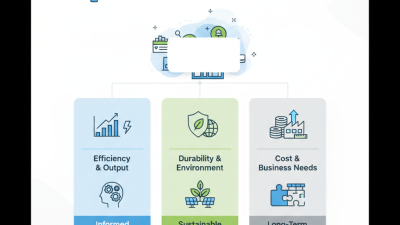
Tip: Start with a feasibility study. Determine how much roof space is available for solar panels and the potential inefficiencies of your existing energy systems. Assess what specific needs your business has in terms of energy consumption. This groundwork is vital in making an informed decision.

It's essential to remain cautious. The initial investment can be high. Businesses may need to rethink their existing energy contracts. Also, regulations vary widely between regions, which could complicate the installation process. Engaging with a consultant can mitigate potential challenges and ensure compliance with local laws.

Top 10 Benefits of Commercial Solar Energy for Businesses Today

Benefit Description Impact
Cost Savings Reduces electricity bills by utilizing renewable energy. Increased profit margins over time.
Tax Incentives Access to federal and state tax credits and deductions. Lower upfront costs, enhancing ROI.
Brand Image Enhances corporate social responsibility and green branding. Attracts environmentally conscious customers.
Energy Independence Reduces reliance on grid electricity and fluctuating prices. Stability and predictability in energy costs.
Sustainable Growth Supports a long-term sustainable business model. Future-proofing business operations.
Low Maintenance Costs Solar systems have minimal maintenance needs. Saves on operational expenses over time.
Job Creation Stimulates local economies through job opportunities. Contributes to community and economic development.
Increased Property Value Solar installations can enhance property valuation. Improves asset value in the long term.
Innovative Technologies Encourages businesses to adopt new technologies. Stay competitive in a fast-evolving market.
Environmental Impact Reduces carbon footprint and reliance on fossil fuels. Fulfills corporate sustainability goals.

Cost Savings: How Solar Reduces Energy Bills for Companies

Top 10 Benefits of Commercial Solar Energy for Businesses Today

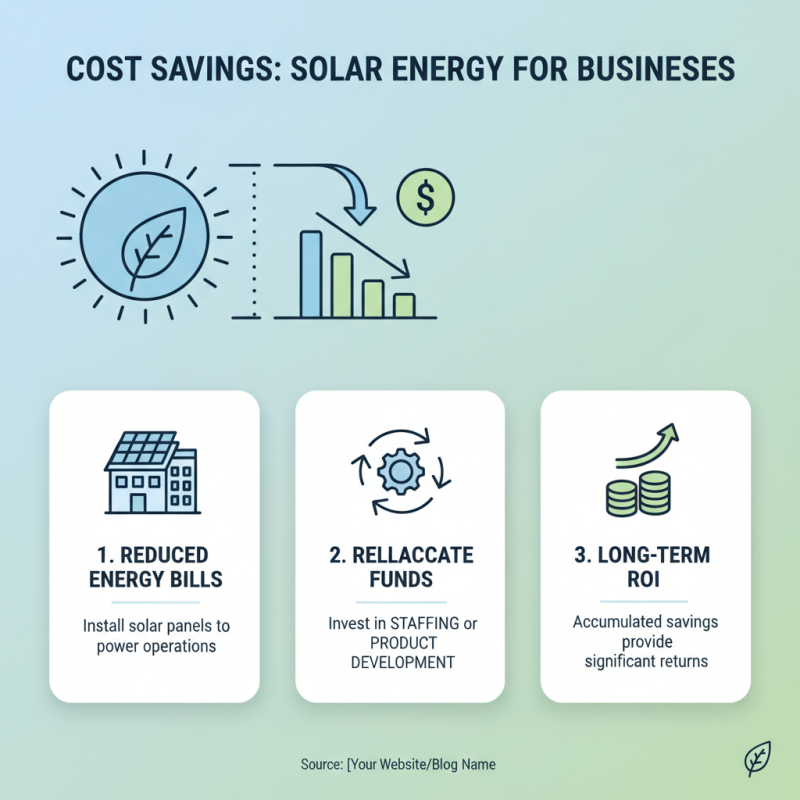
Transitioning to solar energy delivers significant cost savings for businesses. By installing solar panels, companies can significantly reduce their energy bills. For many, the savings on electricity can be reallocated to other crucial areas, like staffing or product development. Over time, these savings can accumulate, providing a robust return on investment.

**Tip:** Consider conducting a thorough energy audit. Understanding your energy consumption helps tailor solar solutions effectively. Identify when and where you use the most energy. This information will guide you in optimizing your solar system.

Impact can vary depending on location and system size. Some businesses may face challenges in initial costs or installation logistics. It’s essential to partner with experienced professionals who understand local regulations and incentives. Researching these aspects can lead to better savings in the long run.

**Tip:** Explore local incentives for solar installations. Grants or tax credits may enhance your financial situation. Every bit counts when maximizing your investment in solar energy.

Environmental Impact: The Role of Solar in Sustainable Business Practices

Solar energy plays a crucial role in promoting sustainable business practices. Not only does it reduce greenhouse gas emissions, but it also conserves natural resources. Businesses adopting solar energy contribute to a healthier planet. The shift towards renewable energy is essential, especially for industries with high energy consumption. This transition can lead to significant reductions in carbon footprints.

Implementing solar energy can provide several environmental benefits. One effective approach is to conduct an energy audit before installation. This helps identify energy waste and areas for improvement. Regularly maintaining solar panels is also vital. Dirty panels can reduce efficiency. Consider using a local solar service provider to ensure compliance with environmental regulations. Their expertise can help you navigate potential challenges.

Adopting best practices can enhance your business's sustainability efforts. Engage employees in green initiatives. Encourage them to share ideas on conserving energy. Additionally, consider participating in community solar programs. These initiatives can make solar energy more accessible for small businesses. Reflecting on the impact of your energy choices is important. This can lead to more informed decisions and foster a commitment to sustainability.

Top 10 Benefits of Commercial Solar Energy for Businesses Today

This chart illustrates the top benefits of adopting commercial solar energy. The scores (from 1 to 10) reflect the perceived advantages that businesses identify, including substantial cost savings and positive environmental impacts, which are crucial for sustainable practices in today's market.

Energy Independence: Mitigating Risks with Solar Energy Solutions

Energy independence is a crucial aspect for businesses today. Relying on traditional energy sources exposes companies to volatile energy prices. According to a report from the U.S. Energy Information Administration, energy prices can fluctuate significantly, affecting operational costs. By investing in solar energy, businesses can become less vulnerable to these price swings. Solar installations can stabilize energy expenses, providing predictability in budgeting.

Transitioning to solar can also mitigate risks related to energy supply. Natural disasters and geopolitical conflicts can disrupt conventional energy sources. The Solar Energy Industries Association states that solar power can enhance resilience during such events. With solar panels on-site, companies can ensure a continuous power supply even in emergencies. This self-sufficiency can protect business operations.

However, transitioning to solar isn't without challenges. Initial installation costs can be high. Many businesses must weigh long-term savings against upfront expenses. Proper research and analysis are vital for successful implementation. Companies should also consider local regulations and incentives. A thorough understanding can lead to better decision-making and maximize benefits. The shift to renewable energy is promising, yet requires careful planning.

Tax Incentives and Financial Advantages for Businesses Going Solar

Businesses today are increasingly turning to solar energy. The financial benefits are significant. Tax incentives play a vital role in this shift. Companies investing in solar can leverage federal solar tax credits. This can reduce initial installation costs substantially. Some businesses may even qualify for state-level incentives. These can provide additional savings.

Solar energy can also lower monthly utility bills. This creates more predictable budgeting. Many businesses experience a return on investment within a few years. The savings can be reinvested in growth opportunities. However, it is essential to assess the location and energy needs carefully. Not all buildings are ideal for solar installations. Conducting a feasibility study is crucial.

Tips: Consider consulting with solar energy experts. They can help navigate available incentives. Understanding local regulations is also essential. Research available grants or rebates, which vary by region. Regularly reviewing energy consumption can reveal opportunities for further savings. Ultimately, going solar can offer businesses not just savings, but a commitment to sustainability.