How to Optimize Your Solar Installation for Maximum Efficiency?
In today's world, optimizing solar installation is crucial. As solar energy becomes more popular, efficiency is key. "Maximizing energy output starts with smart design," says Dr. Emily Rivera, a leading expert in solar technology. Her insights remind us that careful planning can make a significant difference.
Many homeowners overlook important details when installing their solar panels. For instance, the angle and orientation of panels can impact energy capture drastically. Poor installation choices may lead to disappointing results. Suboptimal placements waste resources and raise costs.
Understanding your local climate is essential. A sunny area might seem perfect, but shading from trees or buildings can hinder performance. This oversight often leads to frustration for new solar users. Continuous reflection and adjustment in planning can improve outcomes. Knowing this helps stakeholders approach solar installation with a clearer vision and greater success.
Understanding Solar Panel Efficiency and Performance Factors
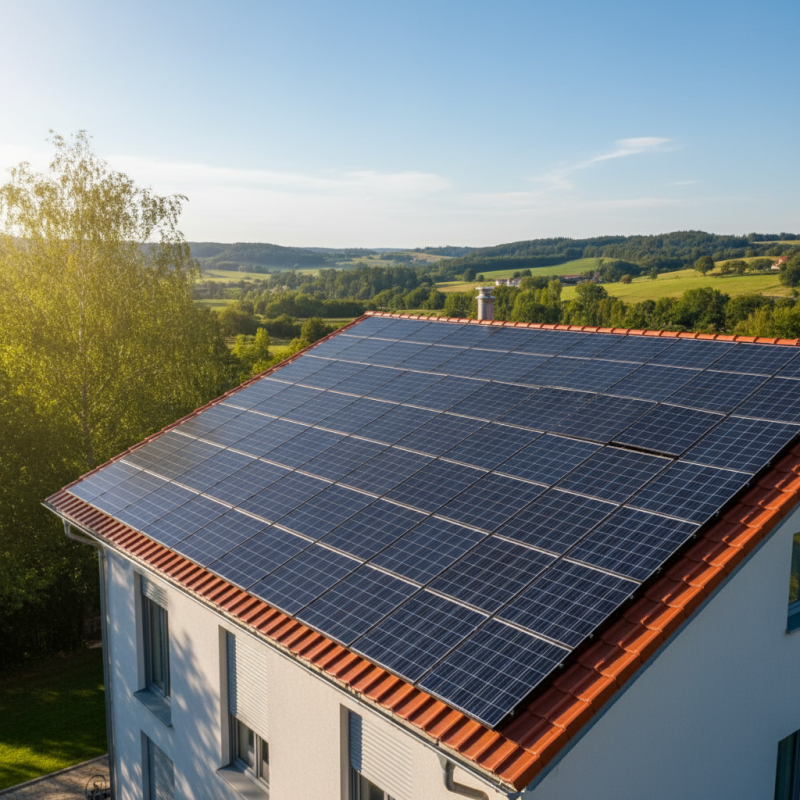
When it comes to solar panel efficiency, several factors play a vital role. One crucial element is the angle of installation. Panels should ideally face the sun to capture maximum light. Each location has its optimal angle, which can vary. A poor angle can lead to significant energy loss. Regularly check for shade from nearby trees or buildings. Even partial shading can reduce a panel’s output substantially.
Temperature also affects solar panel performance. Higher temperatures can decrease efficiency. Panels may operate best in cooler conditions. It’s essential to ensure proper ventilation around them. This can be overlooked during installation. Another consideration is the quality of the solar inverter. A low-quality inverter might not convert energy efficiently. Thus, evaluating this component is crucial.
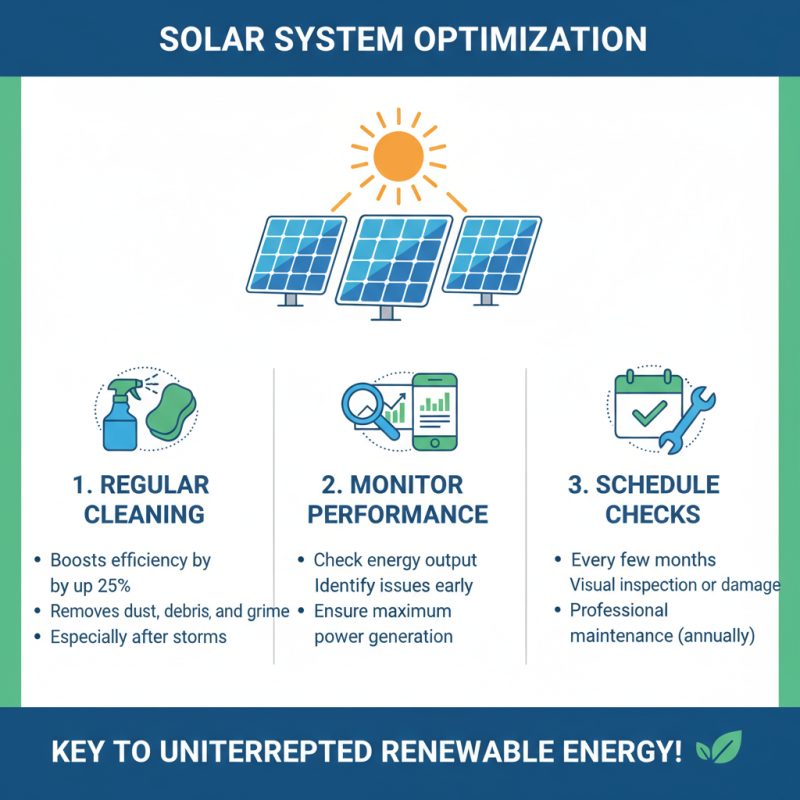
Maintenance is another area needing attention. Dust and debris can accumulate on the panels, blocking sunlight. Regular cleaning can help maintain efficiency. However, it’s easy to underestimate the importance of this simple task. Monitoring system performance is key. If output dips significantly, it may indicate an issue. Reflecting on these factors can help optimize your solar installation effectively.
Choosing the Right Location for Your Solar Installation
Choosing the right location for your solar installation is crucial for ensuring maximum efficiency. A sunny, unobstructed area is ideal. Trees, buildings, and other structures can cast shadows on your panels, reducing energy output. Be aware of seasonal changes that might impact sunlight exposure.
Tips: Regularly assess your surroundings. Are there new obstructions? Can you trim trees or remove other barriers? These small adjustments can lead to significant improvements.
Consider the angle and orientation of your solar panels. South-facing setups generally receive the most sunlight. However, certain locations may require adjustments to optimize performance throughout the day. Experiment with different angles to find what works best in your area.
Tips: Keep a journal of your energy production. Tracking output can reveal patterns and help you make informed decisions. Remember, sometimes even the sunniest spots need minor tweaks to hit optimal performance. Stay observant and proactive!
Selecting High-Quality Solar Panels and Inverters
Choosing high-quality solar panels and inverters is crucial for maximizing efficiency. Look for panels with a high efficiency rating. Efficiency refers to how well a panel converts sunlight into electricity. Generally, monocrystalline panels perform better than polycrystalline ones. However, they often come with a higher price tag. Balancing cost and performance is key. Sometimes, cheaper panels may not provide the desired long-term savings.
Inverters play a vital role as well. They convert the direct current generated by solar panels to alternating current for home use. Consider using microinverters or power optimizers for enhanced performance. These devices can optimize the output of each panel. It's important to assess whether your roof's layout allows for individual panel optimization. A poorly placed panel can drag down the entire system's efficiency.
Installation quality also needs attention. Ensure your installation team has experience and good reviews. Misalignments or improper wiring can lead to significant energy losses. Don't rush through this process. Take time to research and ask questions. An informed decision now can yield better results in the future.
Implementing Optimal Angle and Orientation for Solar Panels
The angle and orientation of solar panels play a crucial role in their efficiency. Ideally, solar panels should face true south in the northern hemisphere. This position maximizes sunlight exposure throughout the day. The tilt angle also matters. A steeper angle can capture more solar energy during winter months. Meanwhile, a flatter angle may work better in summer.
Adjusting the angle is not always straightforward. Roofs come in various shapes and slopes. Some might already favor an ideal angle. Others may require additional mounting systems, which add costs and complexity. Considering the local climate is essential, too. Areas with heavy snow might need different strategies compared to regions with intense sunlight.
Sometimes, a fixed angle does not yield the best energy production. Regular monitoring is necessary. Seasonal adjustments could enhance performance but require careful planning. Periodic evaluations can help identify if the panels capture enough sunlight. Efficiency isn't solely about setup; ongoing assessment is vital to maintain optimal performance.