What is a Home Solar System and How Does It Work?
The growing interest in renewable energy has brought the home solar system into the spotlight. Recent statistics reveal that over 3 million homes in the U.S. utilize solar power, reflecting a significant shift toward sustainable energy sources. These systems convert sunlight into electricity, allowing homeowners to reduce dependence on the grid.
However, transitioning to a home solar system is not without challenges. Installation costs can be daunting, and many potential users worry about ROI. Reports estimate that the average payback period for solar systems ranges from 5 to 10 years, prompting careful consideration. Yet, incentives, such as federal tax credits, can ease the financial burden.
Moreover, while solar technology is advancing, its efficiency varies widely. This inconsistency may lead some homeowners to question the reliability of solar energy. As we explore the workings of a home solar system, it's essential to weigh both benefits and potential drawbacks to make informed decisions.
Definition and Components of a Home Solar System
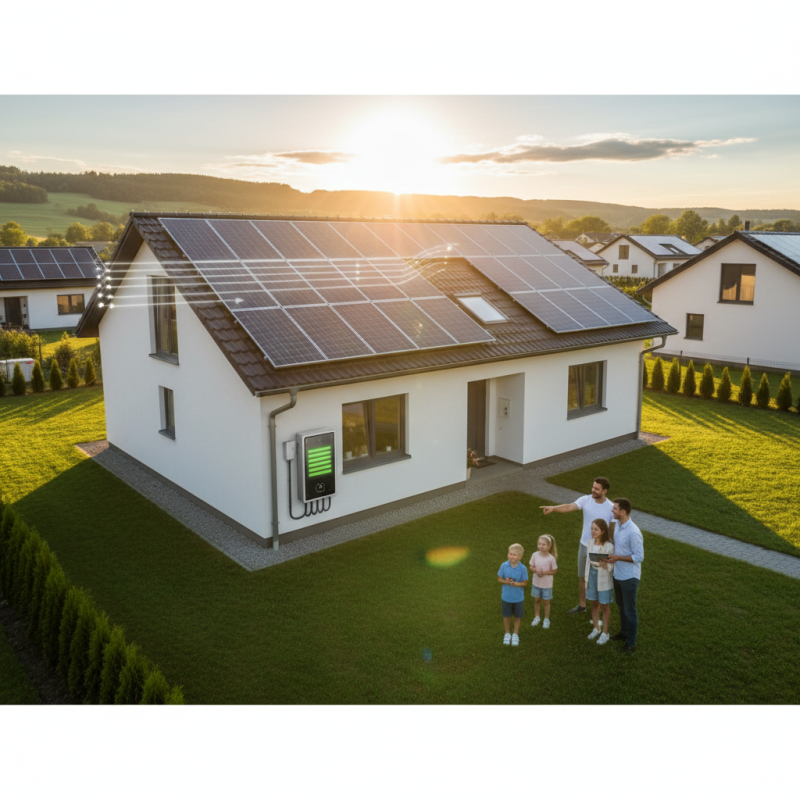
A home solar system is primarily designed to harness energy from the sun. It reduces electricity bills and promotes sustainability. The main components include solar panels, an inverter, batteries, and a mounting system.
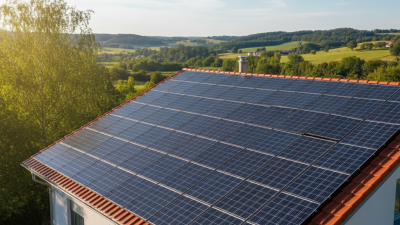
Solar panels capture sunlight and convert it into electricity. These panels are usually installed on rooftops, maximizing exposure to sunlight. The inverter is crucial; it transforms direct current (DC) generated by the panels into alternating current (AC) for household use. Batteries store excess energy for later use, ensuring a consistent power supply even during cloudy days or night.
While a home solar system has many benefits, there are challenges too. The initial investment can be significant. Not all rooftops are suitable for solar panels. Some may lack adequate sunlight or space. Homeowners must also consider local regulations and potential maintenance issues. Understanding these factors is essential for making an informed decision on solar energy.
The Science Behind Solar Energy Generation
Solar energy generation is based on the principle of converting sunlight into electricity. This process begins with solar panels that contain photovoltaic (PV) cells. When sunlight hits the cells, it creates an electric field. This field generates direct current (DC) electricity, which can then be transformed into alternating current (AC) electricity through an inverter. The AC electricity is what powers your home.
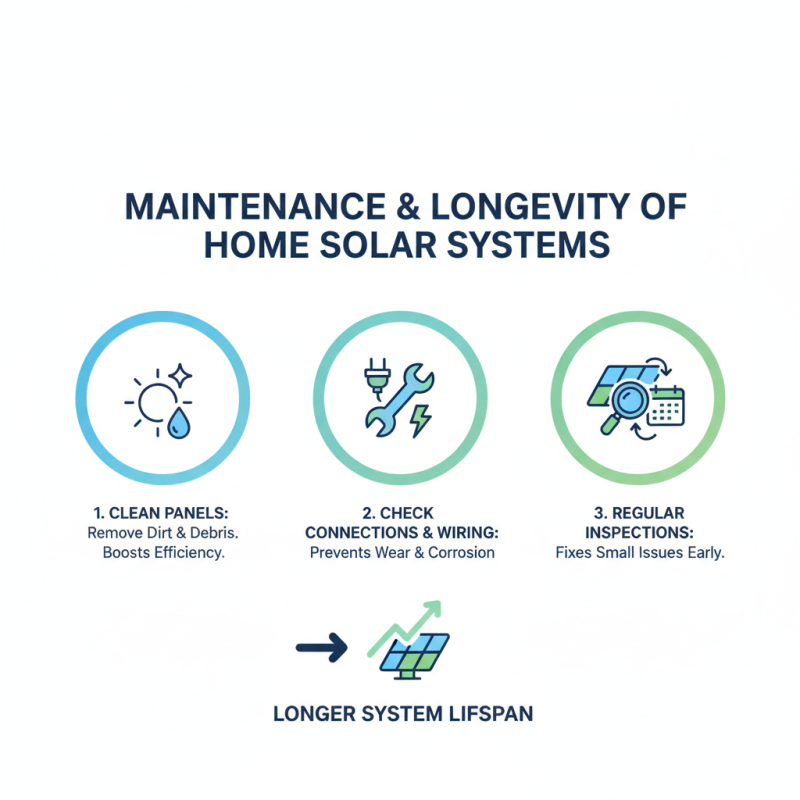
Understanding solar energy's efficiency is crucial. Not all sunlight is converted to electricity. Factors like angle, shading, and temperature affect performance. For optimal results, ensure your panels are clean and unobstructed. Regular maintenance can enhance energy output.
**Tip:** Install solar panels at the right angle for your location. This maximizes exposure to sunlight.
Another vital aspect is storage. Many systems integrate batteries for energy storage. This allows you to use solar power even when it's dark. However, battery systems vary greatly in efficiency and lifespan. Research options that fit your needs.
**Tip:** Consider your energy usage patterns. Assess if you need a larger battery for night-time use.
Recognizing the science behind solar energy can drive informed decisions. Solar energy is reliable, but it's not infallible. Each installation presents unique challenges that require reflection and adaptation.
Installation Process of a Home Solar System
Installing a home solar system is an exciting yet complex process. Understanding each step will help make your journey smoother. The process begins with an initial assessment of your home. You need to determine your energy needs. A professional assessment can help you decide the right system size.
Once the assessment is complete, the installation schedule will take place. This involves securing permits and approvals. Local regulations can vary, so it’s crucial to stay informed. Then, the actual installation can begin. Solar panels are typically mounted on your roof. Wiring connects these panels to an inverter, which converts solar energy into usable electricity.
Tips: Always consult with professionals before beginning installation. Their expertise can save you time and money. Also, don’t overlook the importance of maintenance. Regular checks ensure peak performance of your solar system.
After installation, monitor your energy production. This helps identify any potential issues early on. Keep track of energy bills to see how much you save. Remember, adapting to this new system takes time and patience. It's a journey worth taking for sustainability.
What is a Home Solar System and How Does It Work? - Installation Process of a Home Solar System
| Component |
Description |
Function |
| Solar Panels |
Devices that convert sunlight into electricity. |
Generate renewable energy by harnessing solar energy. |
| Inverter |
Device that converts DC electricity from solar panels to AC electricity. |
Enables compatibility with home appliances and the electrical grid. |
| Mounting System |
Framework that holds solar panels in place on roofs or ground. |
Provides stability and optimal orientation towards the sun. |
| Battery Storage |
Stores excess electricity generated by solar panels. |
Provides backup power during outages and during night hours. |
| Charge Controller |
Regulates the voltage and current coming from the solar panels. |
Prevents battery overcharging, ensuring longevity and safety. |
Benefits of Using a Home Solar System
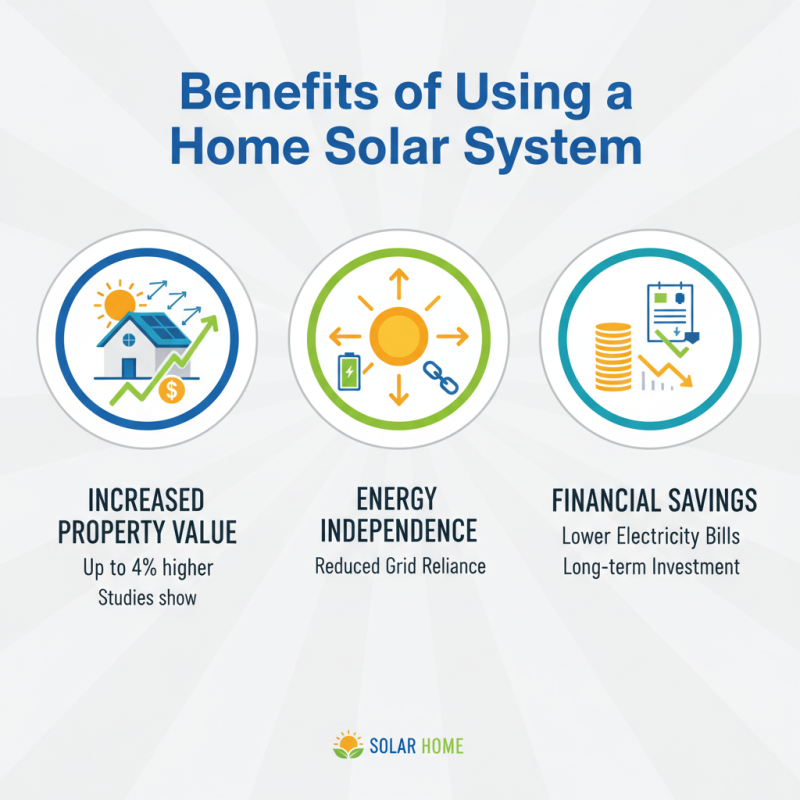
Home solar systems offer numerous benefits, making them an appealing option for homeowners. Studies show that installing solar panels can increase property value by up to 4%. This enhancement is significant in today's real estate market, where energy efficiency is a priority for buyers. Furthermore, generating your own electricity reduces reliance on the grid, offering financial savings over time.
A report from the U.S. Department of Energy highlights that solar energy can lower electric bills by 20% to 60%. Many homeowners notice immediate savings once their solar system is operational. It's crucial to consider varying factors, like panel placement and local incentives. These discrepancies can affect the overall efficiency of a home solar system.
Despite the clear advantages, the upfront costs can be daunting. Some homeowners may hesitate due to high initial investments. Interestingly, financing options like solar loans or leases exist, allowing families to ease into solar energy without a hefty upfront payment. Each situation is unique, and extensive planning is essential for maximizing benefits. A poorly considered installation can lead to underperformance. Homeowners should seek expert evaluations to ensure a seamless transition to solar energy.