What is a Home Solar Power System and How Does It Work?
In recent years, the home solar power system has gained immense popularity among homeowners. According to Dr. Emily Greene, a leading expert in renewable energy, “Solar power is not just a trend; it's the future of energy.” This statement highlights the growing importance of harnessing solar energy for everyday use.
A home solar power system consists of solar panels, inverters, and batteries. These components work together to convert sunlight into usable electricity. Many families have turned towards this sustainable solution to reduce their energy bills and carbon footprint. Yet, installing a system can be complex and costly. Homeowners may struggle with understanding their energy needs and the best options available.
Despite these challenges, the benefits of a home solar power system are significant. It can offer long-term savings and increased energy independence. However, not everyone can easily transition to solar power. Some homes face shade issues or structural limitations. These considerations necessitate careful planning and evaluation. The road to solar energy may not be perfect, but it's worth exploring for a cleaner future.
What is a Home Solar Power System?
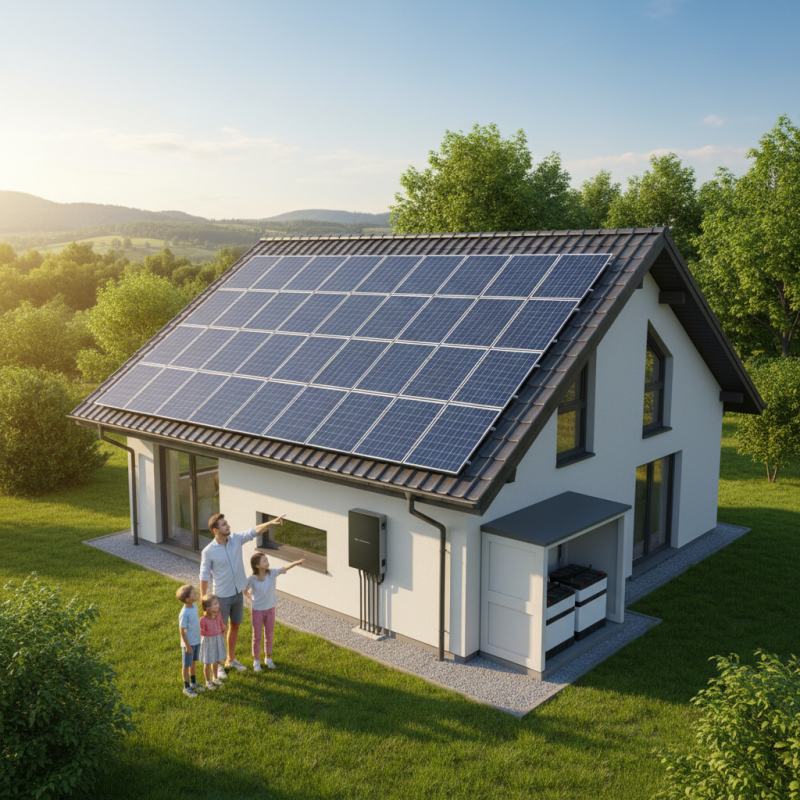
A home solar power system converts sunlight into electricity. It is made up of several key components. The most visible part is the solar panels. These panels capture sunlight and transform it into usable energy. Solar inverters are crucial for this process. They convert the direct current (DC) generated by the panels into alternating current (AC), which is usable in homes.
Solar energy can significantly lower electricity bills. However, the installation cost might be a concern for some. The effectiveness of a system can vary based on location and sunlight exposure. Many homeowners may not realize how shaded areas impact energy production. Maintenance is another aspect to think about. While solar systems generally require little upkeep, issues can arise unexpectedly.
Choosing the right system can feel overwhelming. Homeowners must consider their energy needs and roof space. Misjudging these factors can lead to underperformance. It’s essential to engage with professionals to assess specific situations. Solar energy offers benefits, but careful planning is key to success.
Key Components of a Home Solar Power System
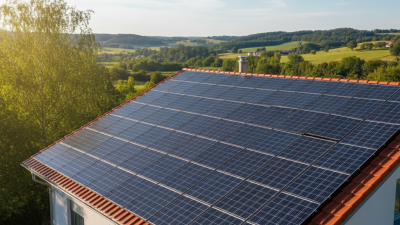
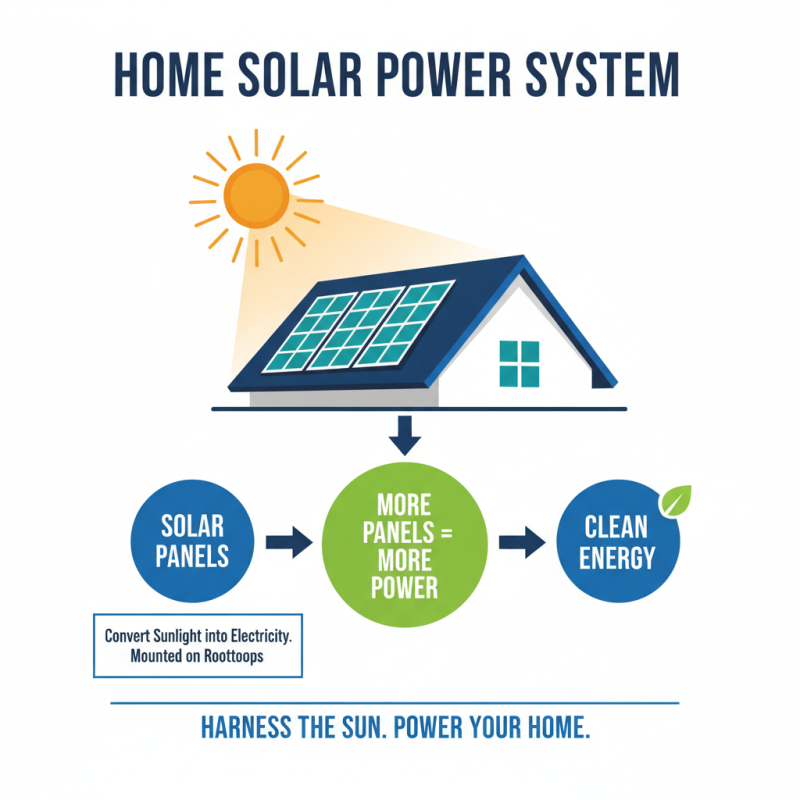
A home solar power system consists of several key components working together to harness solar energy. The most crucial part is the solar panels. These panels convert sunlight into electricity. They are usually installed on rooftops, maximizing exposure to sunlight. The more panels you have, the more power you can generate.
In addition to solar panels, an inverter is essential. This device transforms the direct current (DC) produced by the panels into alternating current (AC). AC is what your home appliances use. Without an inverter, your solar system can't power your home effectively.
Batteries are another vital component. They store excess energy generated during sunny days. This stored energy can be used at night or on cloudy days. For those considering a solar system, battery storage can significantly enhance energy independence.
Tip: Monitor your energy usage closely. It helps in sizing your solar power system accurately. Overestimating needs could lead to wasted money.
Another tip: Regular maintenance is key. Keep the panels clean and check the inverter often. Neglecting these can lead to inefficiencies, costing you more in the long run.
How Solar Panels Convert Sunlight into Electricity
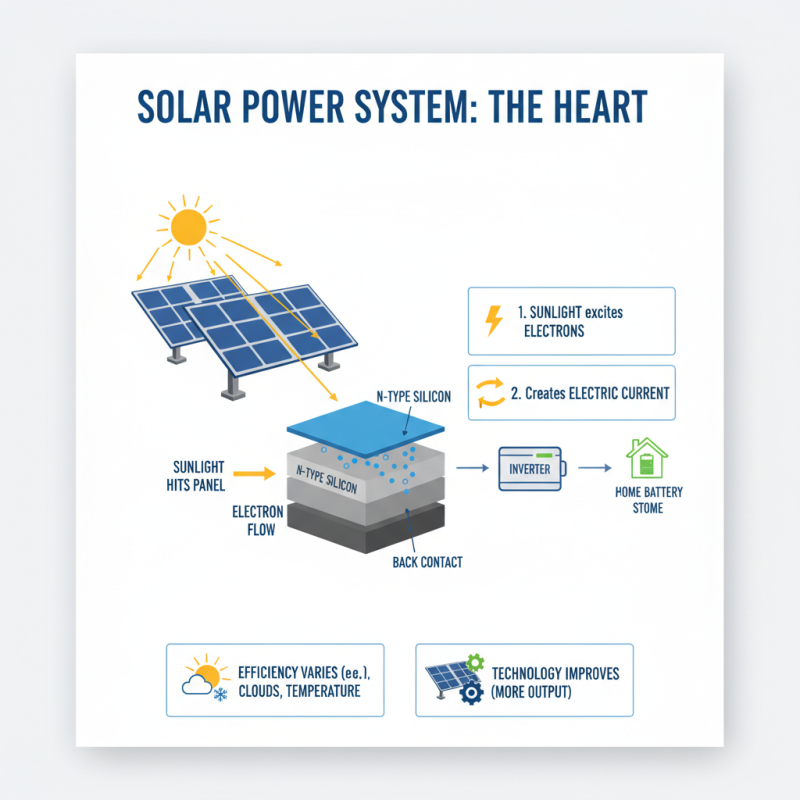
Solar panels are the heart of a home solar power system. They convert sunlight into electricity through a fascinating process. When sunlight hits the solar cells, it excites electrons. This movement creates an electric current. The technology seems simple, yet its efficiency can vary. Some panels work better in certain conditions than others.
Not all solar panels perform equally. Factors like temperature, angle, and shading affect output. A cloudy day reduces efficiency. But even on those days, panels can produce some energy. Homeowners may underestimate this. They often expect perfect sunny conditions, but reality is different.
Understanding this process helps in planning your system. Homeowners should consider their location. Regular maintenance is also crucial. Dirty panels collect less sunlight. Sometimes, it becomes easy to overlook. Regular checks can prevent performance drops. Making the most of your system requires consistent effort and awareness.
Understanding the Role of Inverters in Solar Power Systems
Inverters serve as the heart of a home solar power system. They convert direct current (DC) from solar panels into alternating current (AC), which is essential for home appliances. Research indicates that about 90% of the energy produced by solar panels requires conversion before use. This step is crucial for system efficiency.
Many homeowners underestimate inverter quality. A report from the Solar Energy Industries Association highlights that choosing the right inverter can affect performance by up to 30%. Some inverters may not handle energy fluctuations well, leading to power loss. Monitoring systems are often recommended to track real-time performance and catch issues early.
Inverters also come with their own set of challenges. They can experience overheating, especially in warm climates. This can affect their lifespan and efficiency. Data suggests that about 5% of inverters fail within the first five years. Regular maintenance and performance checks are essential. Homeowners need to understand these factors for a successful solar investment.
What is a Home Solar Power System and How Does It Work?
| Component |
Function |
Efficiency (%) |
Typical Lifespan (Years) |
| Solar Panels |
Convert sunlight into electricity |
15-20% |
25 |
| Inverter |
Converts DC to AC electricity |
95-98% |
5-15 |
| Battery Storage |
Stores excess energy for later use |
85-90% |
5-15 |
| Charge Controller |
Regulates voltage and current to batteries |
N/A |
10-15 |
| Grid Connection |
Allows surplus energy to be sent to the grid |
N/A |
N/A |
Benefits and Considerations of Installing a Home Solar Power System
Installing a home solar power system offers numerous benefits. It provides energy independence, allowing homeowners to rely less on the grid. This can lead to significant savings on electricity bills. Imagine your bills shrinking while you harness the sun's energy. In many areas, solar power can even increase property value.
However, there are factors to consider. The initial cost can be high, which may deter some homeowners. Maintenance is necessary, and some systems may require updates. Not all roofs are suitable for solar panels. Shadows from trees or nearby buildings can affect efficiency.
**Tip:** Assess your roof's orientation and sun exposure before installation. This ensures maximum energy capture.
Some homeowners may find the transition challenging. It requires an understanding of solar technology and incentives available. Research can seem overwhelming, but taking it step-by-step helps.
**Tip:** Reach out to local solar experts for advice. Their knowledge can ease your decision-making process.