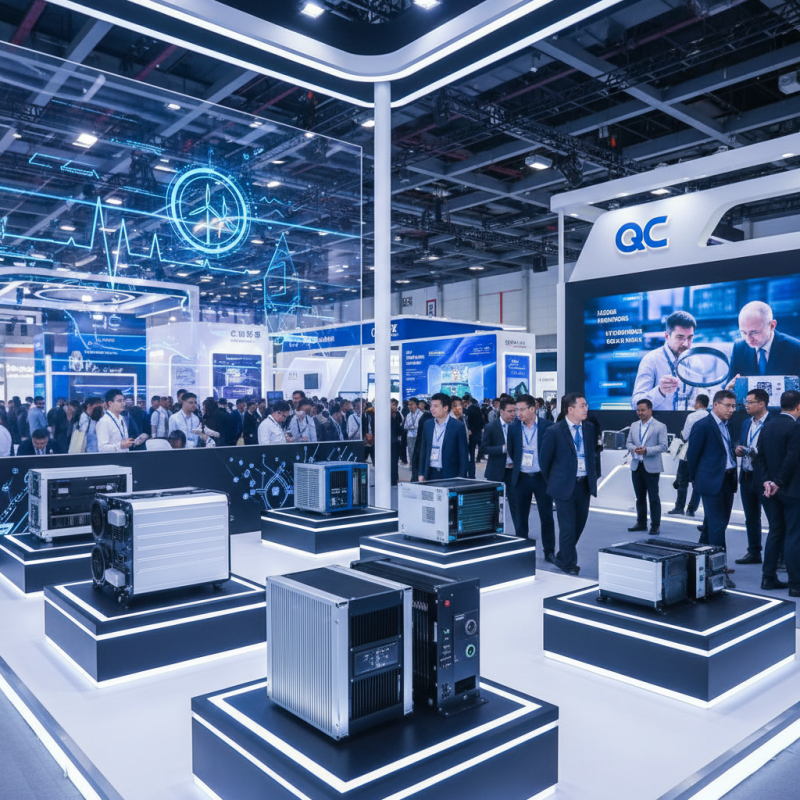
What is a High Frequency Power Inverter at the 139th Canton Fair?
The 139th Canton Fair presents a unique opportunity to explore the high frequency power inverter. This advanced technology, essential in many industries, showcases the shift toward efficiency and innovation. Visitors can find exhibitors offering cutting-edge solutions that enhance power conversion for various applications.
High frequency power inverters are crucial for renewable energy systems, such as solar and wind. They provide reliability and improved performance. Attendees should prepare to engage with manufacturers and specialists to understand the latest developments in this field.
It’s important to note that while many products shine, some may fall short in meeting expectations. Quality control and certifications like ISO or CE are vital indicators of reliability. Reflecting on these aspects can guide buyers in making informed decisions at the fair.
What is a High Frequency Power Inverter? Overview and Functionality
High frequency power inverters play a crucial role in converting DC power from sources like batteries into usable AC power. These devices are lightweight and compact, making them ideal for various applications, including renewable energy systems and portable power solutions. According to industry reports, the high frequency inverter market is projected to grow by 12% annually, reflecting increasing demand for efficient power solutions.
The functionality of these inverters often hinges on advanced switching techniques, which enable them to operate at higher frequencies. This not only enhances efficiency but also minimizes energy losses during conversion. For instance, a typical high frequency inverter achieves over 90% efficiency, with some models exceeding 95%. These statistics are significant in a world pushing for greener alternatives.
Tips: When selecting a high frequency inverter, assess your power needs carefully. Overestimating requirements can lead to unnecessary costs. Moreover, be cautious of compatibility with your energy sources. Knowing the specifications ensures that you maximize the inverter's potential. Regularly check for updates in technology, as newer models may offer improved features and efficiencies.
Key Specifications and Features of High Frequency Power Inverters
High frequency power inverters have gained attention at the 139th Canton Fair. These devices convert DC power to AC power efficiently. They are compact in design and lightweight. Many users prefer them for renewable energy systems.
Key specifications include high efficiency ratings, often exceeding 90%. They have faster switching speeds, which reduces energy loss. A typical unit can handle varying power ranges. Look for inverters that include built-in protections against overload and short circuits.
Tips: When choosing a high frequency inverter, check the compatibility with your system. Ensure it meets your voltage and power requirements. Don't underestimate the importance of customer support. A responsive supplier can make troubleshooting easier.
Consider potential drawbacks, such as noise levels. Some models may produce more sound than others. It's crucial to evaluate installation space. They may require additional ventilation for optimal performance. Think about your long-term needs when making a decision. This investment impacts efficiency and energy savings.
Applications of High Frequency Power Inverters in Diverse Industries
High frequency power inverters play a crucial role in various industries. Their compact design allows for efficient energy conversion. This makes them ideal for applications where space is limited. From renewable energy systems to telecommunications, their versatility stands out.
In the renewable energy sector, these inverters convert DC power from solar panels to AC power. This process is essential for integrating solar energy into existing power grids. Telecommunications also benefit from high frequency inverters. They ensure stable power supply to sensitive communication equipment.
However, there are challenges in using high frequency inverters. The efficiency can be affected by temperature variations. It's vital to monitor their performance consistently. Users must consider their specific needs to select the right inverter. A mismatch can lead to underperformance, which is disappointing. Ultimately, while high frequency power inverters offer great advantages, attention to detail is necessary for optimal use.
Market Trends and Growth Insights for High Frequency Power Inverters
High-frequency power inverters are becoming increasingly popular in the renewable energy sector. These devices convert DC to AC power efficiently, making them ideal for solar energy systems. At the recent 139th Canton Fair, industry experts noted the growing interest in these inverters. The compact size and reduced weight are attractive features, especially for installation in limited spaces.
Market trends indicate a surge in demand for high-frequency power inverters. With the push for clean energy, more consumers are looking for efficient solutions. This trend creates opportunities but also challenges. Manufacturers need to innovate continuously to meet customer expectations. The competition is becoming fierce, with many new players entering the market.
However, challenges remain. Not all high-frequency inverters are created equal. Some may struggle with efficiency or durability under specific conditions. Consumers must do their research before making a purchase. It’s crucial to understand the technology behind these inverters. In a rapidly evolving market, knowledge is key. The future holds promise, but caution is necessary.
Performance Comparison: High Frequency vs. Low Frequency Inverters
High frequency inverters and low frequency inverters have distinct features. High frequency inverters are compact and lightweight. They use high frequency switching technology, resulting in efficient energy conversion. This makes them ideal for applications like renewable energy systems. Their quick response time is also a significant advantage. However, they might not perform as well under extreme loads.
Low frequency inverters offer reliability. They handle larger loads more effectively. In contrast, their size and weight can be a drawback. Installation might be a bit more complex. However, for heavy-duty applications, they often provide better performance. Users sometimes overlook heat management, which is crucial for both types.
Tips: Pay attention to cooling mechanisms. Adequate airflow helps prevent overheating. Also, consider the specific needs of your project. Not every inverter suits every application. Testing both types in real-world scenarios can yield essential insights. Understanding your power demands is key.