What is the Future of America Solar Panels in Renewable Energy?
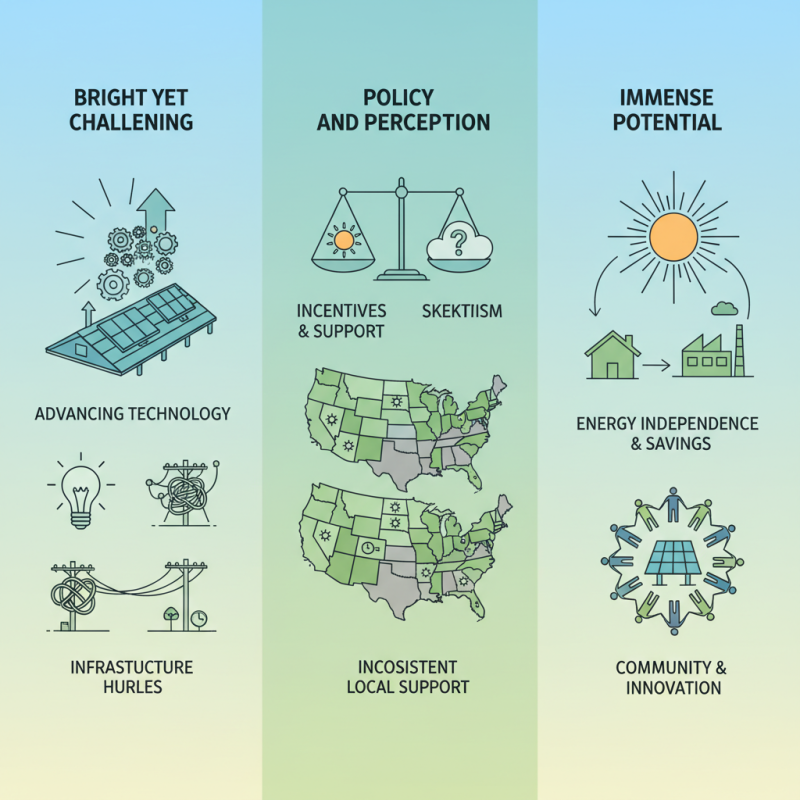
The future of America solar panels appears bright yet challenging. Solar power technology is advancing. Many homes and businesses are turning to solar energy solutions. America solar panels have become more efficient and affordable. This shift is significant in the fight against climate change. However, it is not without its hurdles. The current infrastructure may require upgrades. There are also debates around policy support and regulations.
Local governments play a crucial role in adopting solar energy. Some states offer incentives for solar installations. Others may lack adequate support. This inconsistency can affect growth and accessibility. Moreover, public perception is still evolving. Some people remain skeptical about solar energy's effectiveness. It raises questions about commitment to renewable sources.
Nevertheless, the potential for America solar panels is immense. They can reduce energy bills and promote energy independence. The path forward may not be easy, but the benefits are clear. Communities need to come together to overcome obstacles. A collective effort is essential to harness solar power fully. The future relies on smart choices and innovative solutions.
Future Growth Trends of Solar Panel Installations in the U.S.
The future growth trends of solar panel installations in the U.S. look promising yet complex. Renewable energy is becoming essential in combating climate change. Many states are setting ambitious targets for solar energy adoption. This push is driven by both environmental concerns and economic opportunities. Data shows that solar installations have increased substantially in recent years. However, the future remains uncertain.
Local policies are crucial in shaping solar growth. Incentives for homeowners can accelerate installations, but they vary widely. Some regions may lag behind due to regulatory hurdles. Moreover, the integration of solar energy into existing grids presents challenges. Many communities still lack infrastructure to support extensive solar use. As utilities adapt, innovation will be necessary.
Consumer awareness is also a double-edged sword. Many individuals are eager to embrace solar technology. Yet, misinformation often clouds decision-making. Education and accessible resources are vital for informed choices. Additionally, financial considerations can complicate matters for many families. Solar investments require upfront costs that not everyone can manage. As the industry evolves, fostering understanding will be key to maximizing growth.
Projected Solar Energy Contribution to America's Renewable Energy Goals
The future of solar panels in America looks bright, yet complex. As renewable energy gains momentum, solar energy is poised to play a significant role. Many projections suggest that by 2030, solar energy could contribute over 20% to the nation’s overall energy mix. This shift could significantly reduce reliance on fossil fuels.
However, challenges remain. The infrastructure for solar energy remains uneven across different states. Some regions have better access to sunlight, while others struggle with geographical limitations. Additionally, there’s an ongoing debate about the environmental impact of manufacturing solar panels. Are we prioritizing long-term sustainability?
Solar energy's growth will depend on effective policy measures. Incentives can encourage investments, yet they leave room for inequities. Low-income communities may miss out on the benefits of solar technologies. This disparity raises questions about accessibility and fairness in the energy transition.
Impact of Technological Innovations on Solar Panel Efficiency and Cost
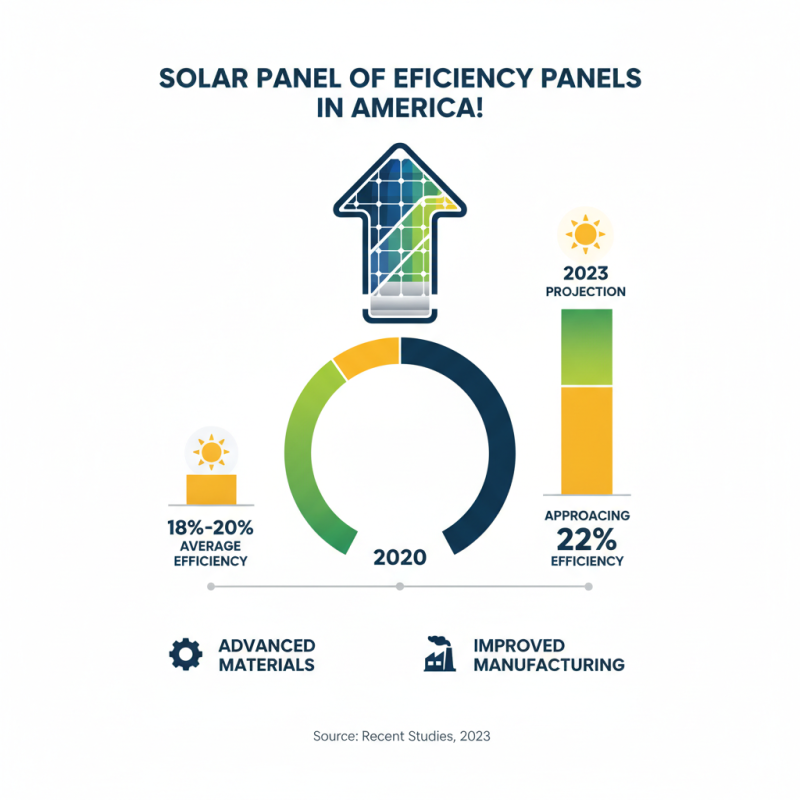
The future of solar panels in America looks promising, especially with ongoing technological innovations. Recent studies show that solar panel efficiency has increased significantly. In 2020, the average efficiency was around 18% to 20%. By 2023, it is projected to approach 22%—an encouraging trend. This improvement results from advanced materials and manufacturing processes.
Cost reduction in solar technology is equally important. In the past decade, prices for solar panels have dropped by about 82%. A report from the National Renewable Energy Laboratory indicates that this trend will continue. The balance of system costs is also declining, making solar more accessible to homeowners.
Tips: Consider local incentives for solar installations. Many areas offer tax breaks that further reduce costs. Be aware that while prices are decreasing, installation costs can vary. Always compare options before making a decision. Explore innovative financing solutions to make solar energy affordable.
Government Policies and Incentives Shaping the Solar Energy Market
The future of solar panels in America is closely linked to government policies. Incentives play a crucial role in boosting solar energy adoption. Tax credits and rebates can make solar systems more affordable for homeowners. These initiatives encourage investments in renewable energy, creating a healthier environment.
Many states are implementing regulations to support solar energy growth. Some states have net metering laws. These allow homeowners to sell excess energy back to the grid. This creates financial benefits and promotes sustainable practices. However, not all states have such supportive policies. This inconsistency may frustrate potential solar adopters.
Tips: Check your state’s solar incentives before investing. Understand local regulations; they can vary widely. Consider reaching out to local solar advocates for guidance. Educating yourself about the policy landscape can make a big difference. Look for programs or initiatives that might help with installation costs. The journey to solar adoption can be complicated, but the payoff is worth it.
Growth of Solar Energy Capacity in the U.S. (2015-2023)
This chart illustrates the growth of solar energy capacity in the United States from 2015 to 2023, indicating a significant increase in installed capacity due to favorable government policies and incentives aimed at promoting renewable energy sources.
Challenges and Opportunities for Solar Panels in Urban and Rural Areas
As America moves toward a cleaner energy future, solar panels have great potential, especially in urban and rural areas. In cities, rooftops offer prime space for installation. However, limited space can create challenges. High-rise buildings may block sunlight. Additionally, urban pollution can reduce efficiency.
Rural regions face different barriers. Vast open spaces are ideal for solar farms, yet infrastructure is often lacking. Many remote areas lack the necessary grid connections. This can hinder large-scale adoption. Additionally, some rural communities may struggle to afford initial installation costs.
Despite these hurdles, opportunities abound. Innovative financing options are emerging, making solar access easier. Community solar projects are gaining traction. These allow multiple households to share energy generation. As technology advances, efficiency in both settings improves. However, constant reflection on local engagement remains crucial. It ensures all voices are heard in the push for sustainability.
What is the Future of America Solar Panels in Renewable Energy? - Challenges and Opportunities for Solar Panels in Urban and Rural Areas
| Category |
Urban Areas (Current Trends) |
Rural Areas (Current Trends) |
Future Opportunities |
Challenges |
| Adoption Rate (%) |
20% |
35% |
50% by 2030 |
Regulatory hurdles |
| Energy Cost Savings ($/month) |
$150 |
$200 |
$300 by 2030 |
Initial installation costs |
| Grid Compatibility |
Moderate |
High |
Smart grid technology |
Infrastructure limitations |
| Government Incentives (%) |
30% |
40% |
60% by 2030 |
Political uncertainty |
| Public Awareness Level (1-10) |
7 |
6 |
9 |
Lack of information |