What is Community Solar and How Does It Work?
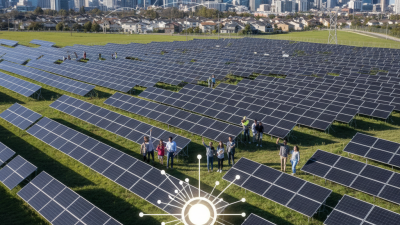
Community solar is an innovative approach to harnessing renewable energy. It allows individuals and businesses to invest in solar power without needing to install panels on their properties. As expert Dr. Sarah Johnson, a prominent figure in the renewable energy sector, has noted, "Community solar brings solar power to those who may not have access to it." This initiative democratizes solar energy access and fosters sustainable communities.
In community solar programs, solar arrays are built in shared locations. Participants can buy or lease a portion of the energy produced. This approach can significantly reduce energy bills. It also contributes to local economies by creating jobs. Despite its benefits, there are challenges. Some communities lack awareness or face regulatory hurdles. Addressing these issues is essential for broader adoption.
The growth of community solar reflects a shift toward more inclusive energy solutions. This model empowers participants while promoting clean energy. However, it's crucial to recognize that not all projects succeed. Continuous evaluation and adaptation are necessary for long-term success. Embracing community solar can lead to a more sustainable future, but it requires commitment and collaboration.
What is Community Solar?
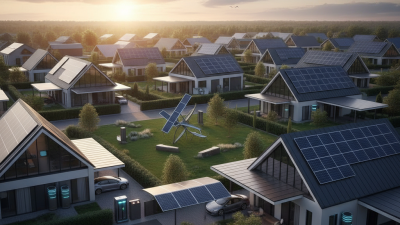
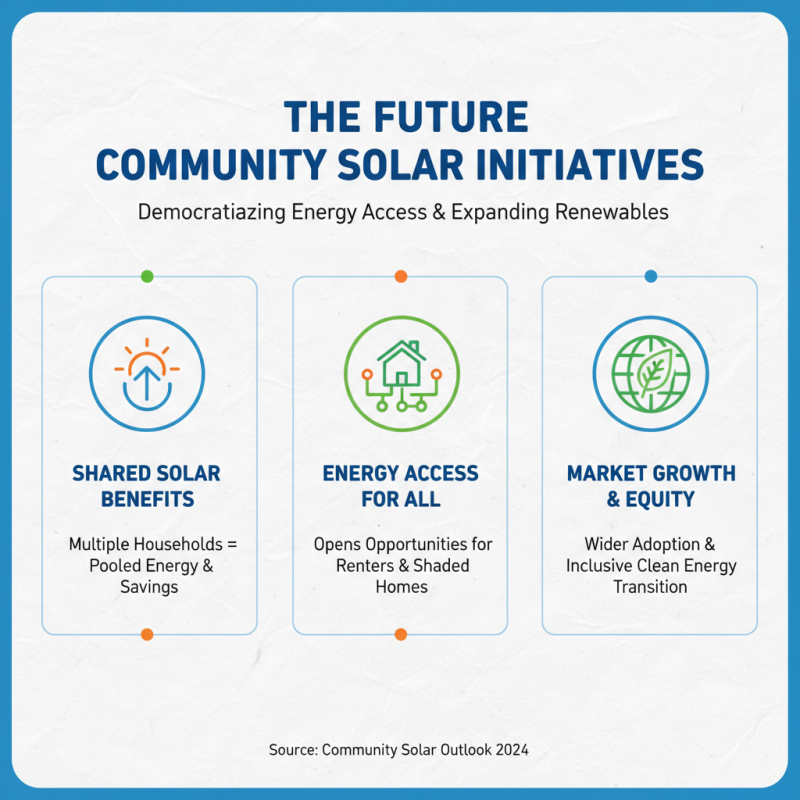
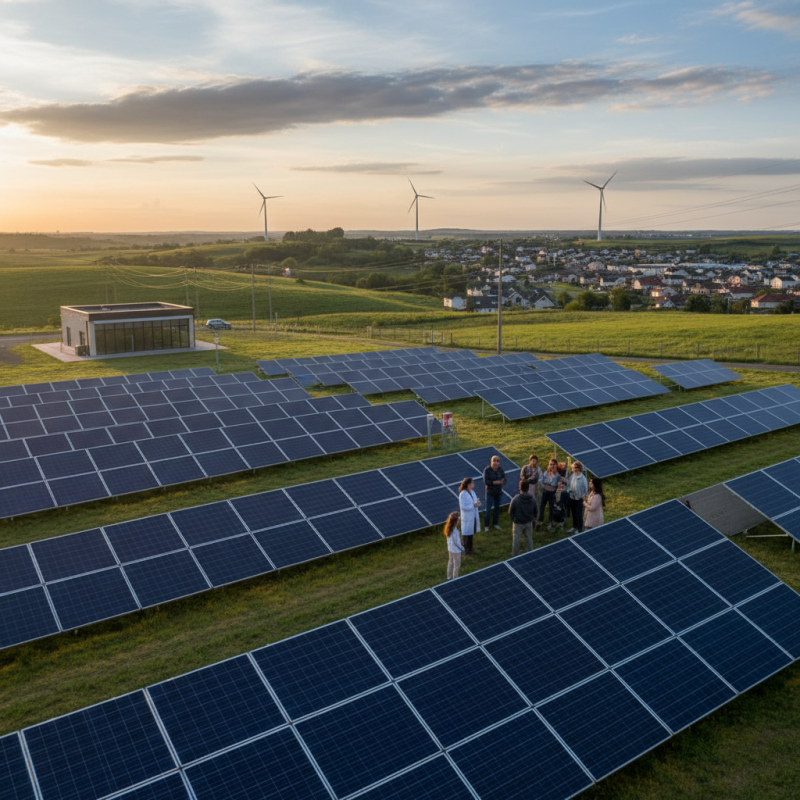
Community solar is a concept that allows multiple participants to benefit from a single solar array. Unlike traditional solar setups, which are often installed on individual homes, community solar projects are shared. They can be located on rooftops, vacant lands, or even brownfields. This approach broadens access to renewable energy. It offers an opportunity for those unable to install solar panels at home, such as renters or those with shaded roofs.
In a community solar program, individuals or businesses can purchase or lease a portion of the energy produced. This means they receive credits on their utility bills, reflecting their share of the energy generated. The model aims to make solar energy more accessible and affordable. However, community solar projects can face challenges. Not all areas or regions have regulations supporting this type of installation. Some people might feel disconnected from the energy they support if it is not local. These concerns highlight the need for better communication and transparency in these initiatives.
Overall, community solar represents a shift toward inclusive energy solutions. It empowers communities to come together in support of sustainability. While the concept holds great promise, its success depends on local engagement and supportive policies. Stakeholders must remain open to feedback and continually refine their approach to meet community needs.
What is Community Solar and How Does It Work?
| Dimension |
Description |
| Definition |
Community solar is a renewable energy program that allows multiple participants to benefit from a single solar array. |
| Participants |
Individuals, businesses, or organizations that subscribe to a portion of a community solar project. |
| How it Works |
Subscribers receive credits on their electricity bills based on the energy produced by their share of the solar array. |
| Benefits |
Access to renewable energy, lower energy costs, and reduced carbon footprint. |
| Types of Projects |
Shared solar farms, rooftop installations, and community or non-profit projects. |
| Regulations |
Varies by country and region, affecting how projects are implemented and how participants are compensated. |
Key Benefits of Community Solar Programs
Community solar programs are gaining attention for their numerous benefits. They allow individuals to access solar energy without installing panels on their properties. According to the Solar Energy Industries Association (SEIA), community solar projects have grown by 23% annually, reflecting rising interest.
One key benefit includes cost savings. A 2021 report by the National Renewable Energy Laboratory indicated that participants could save 10-30% on their electricity bills. This is especially valuable for those who cannot afford solar panels. Community solar also promotes energy equity, allowing low-income families to participate in renewable energy efforts.
Environmental impacts are significant, too. The U.S. Environmental Protection Agency (EPA) states community solar projects can reduce carbon emissions substantially.
However, accessibility remains a concern. Not all regions offer such programs. This gap can leave potential participants without options. Increased policy support and incentives could bridge this divide, making community solar more inclusive.
How Community Solar Projects are Structured
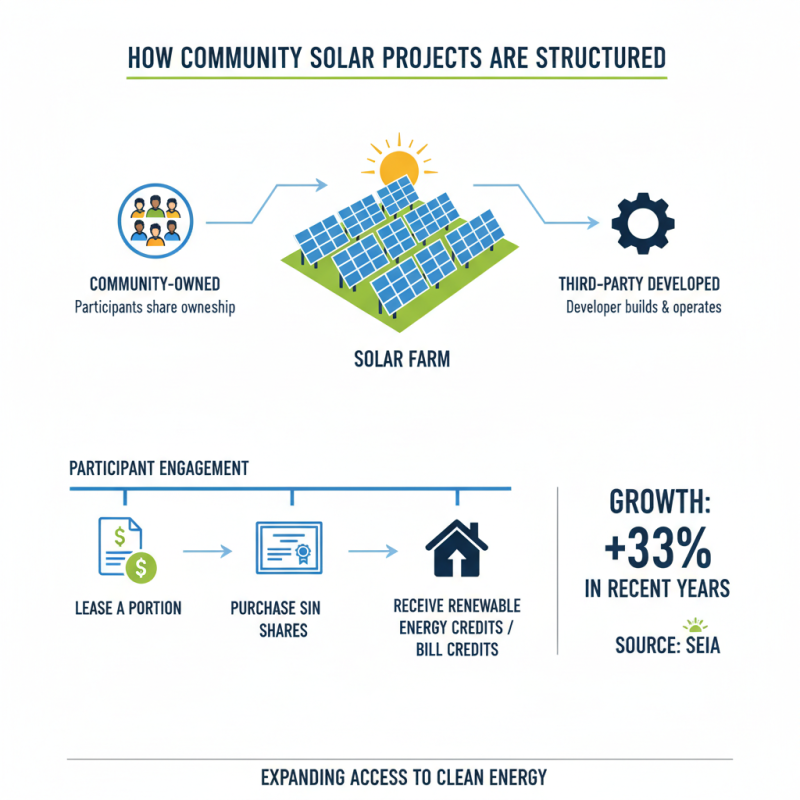
Community solar projects are an innovative solution designed to expand access to renewable energy. These projects allow multiple participants to share a single solar array. The structure of these initiatives typically involves a solar farm, which can be either community-owned or developed by a third party. Participants may lease a portion of the array or purchase shares in it. According to the Solar Energy Industries Association (SEIA), community solar installations have increased by over 33% in recent years, reflecting growing interest and investment.
In exploring the financial aspects, participants often benefit from local tax incentives and state-sponsored programs. Reports indicate that in some regions, community solar can lead to a 10-20% reduction in electricity costs. However, structuring these projects can be complex, involving legal agreements and ensuring equitable participation. Many projects face challenges in maintaining transparency and fairness among subscribers, which is essential for community trust. A lack of proper communication can lead to misunderstandings about returns on investment.
Ultimately, community solar can empower underserved populations, providing affordable and sustainable energy. Yet, stakeholders must address ongoing concerns about management, fees, and access. As this sector evolves, continuous evaluation and adaptability are crucial for long-term success.
Eligibility and Enrollment in Community Solar
Community solar is an innovative approach to renewable energy. It allows individuals to subscribe to a shared solar array. This model makes solar power accessible to those who cannot install panels on their property. According to the Solar Energy Industries Association (SEIA), community solar could serve over 25 million households in the U.S. by 2025. This expansion relies heavily on eligibility and enrollment processes.
To participate in community solar, individuals must meet specific criteria. Typically, subscribers need to reside in the utility's service area. Some programs require a minimum credit score or proof of income. Reportedly, around 45% of U.S. households could benefit from these programs. However, awareness remains low, with only about 24% of consumers knowledgeable about community solar options. Enrollment processes vary by location. They can be as simple as filling out an application online. Yet, many potential subscribers still struggle with understanding the documents.
While community solar offers promising benefits, challenges persist. Some regions have slow deployment due to policy barriers. Not all states have favorable regulations for community solar. As such, many interested individuals may face hurdles when attempting to enroll. Understanding local incentives can aid in making informed decisions, but misinformation is common. A clear example of this is the misconception that community solar is only for low-income households. In reality, anyone can participate if they meet the eligibility requirements.
Community Solar Participation by State
This bar chart illustrates the number of community solar subscribers in various states across the US. The data indicates that California leads with the highest number of subscribers, followed by New York and Massachusetts.
The Future of Community Solar Initiatives
Community solar initiatives have emerged as a promising solution in the renewable energy landscape. These programs allow multiple households to benefit from a shared solar energy system. As we look to the future, community solar can play a pivotal role in democratizing energy access. By opening opportunities for those who cannot install solar panels, it widens the renewable energy market.
Investing in community solar projects can foster local economies. They create jobs, boost local businesses, and promote sustainability. However, challenges exist. Not all communities have equal access to financing or resources. Stakeholders must address these disparities to ensure equitable participation. Some projects also struggle with regulatory hurdles that can impede expansion. Despite these difficulties, the potential for community solar is significant.
In conclusion, community solar initiatives can reshape energy consumption patterns. However, continuous evaluation is essential. Achieving long-term success will require collaboration among governments, organizations, and local communities. The vision of a sustainable energy future is within reach, but it demands consistent effort and adaptation.