How to Choose the Best Residential Solar Panels for Your Home?
Choosing the right residential solar panels can seem overwhelming. Numerous options exist, each with unique features and benefits. A good decision can lead to savings and energy independence.
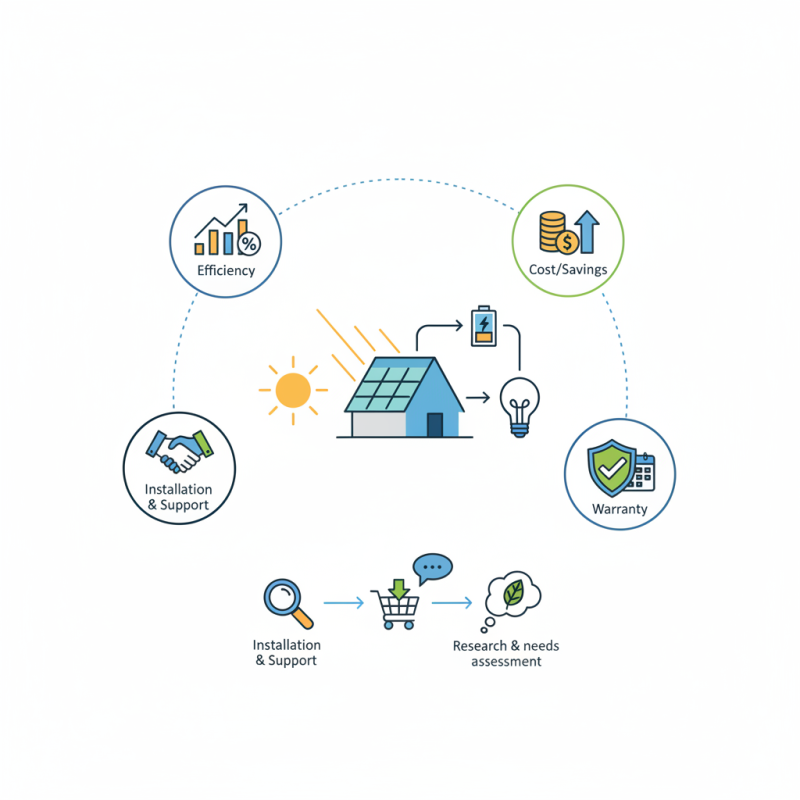
Consider factors like efficiency, cost, and warranty. Efficiency measures how well the panels convert sunlight into energy. Higher efficiency means more energy production. Additionally, cost is crucial. It influences your return on investment.
Don't forget about installation and support services. A poor installation can reduce effectiveness. Research is essential. Visit suppliers and read reviews. Reflect on your needs and energy goals. This journey requires thoughtful choices. Achieving a sustainable future starts at home.
Understanding Solar Panel Types: Monocrystalline, Polycrystalline, and Thin-Film
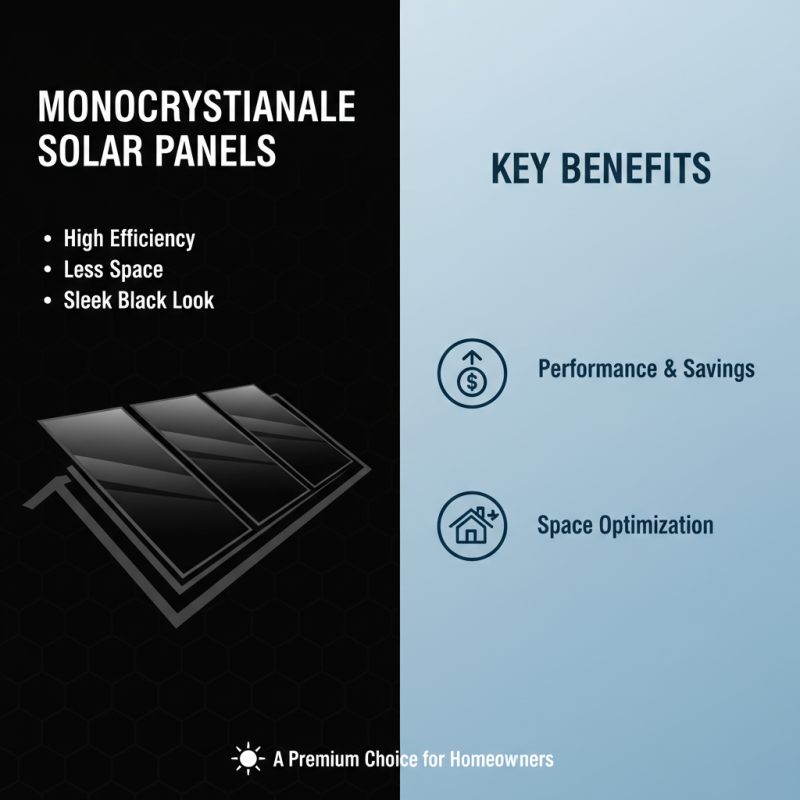
When it comes to choosing solar panels for your home, understanding the different types is crucial. Monocrystalline panels are known for their high efficiency. They often occupy less space on rooftops, making them a popular choice for many homeowners. Their sleek black appearance is also appealing, though they can be pricier than other options.
On the other hand, polycrystalline panels are made from multiple silicon crystals. This process makes them less efficient but generally more affordable. They tend to have a bluish hue and can require more space for installation. Some people find them less aesthetically pleasing. Thin-film panels, while lightweight and flexible, tend to have the lowest efficiency among the three. They are easier to install in unconventional spaces but may require a significant area to meet energy needs.
Weighing the pros and cons of each type is essential. There might be a temptation to go for the high-efficiency monocrystalline panels without considering their cost. However, if budget constraints are tight, polycrystalline or thin-film options may still offer substantial benefits. Reflecting on your energy needs and available space will guide your final decision, ensuring you choose wisely.
Evaluating Your Energy Needs: How Many Panels Do You Require?
When evaluating your energy needs, it’s essential to determine how many solar panels you require. Start by assessing your monthly energy consumption. Check your electricity bills for detailed usage information. This will give you a baseline to work with. For instance, if you typically use 900 kWh per month, this is your starting point.
Next, consider the average solar panel output in your area. Sunlight availability greatly influences how much energy a panel generates. In sunny regions, each panel might produce around 300 kWh per year. Calculate how many panels you need to meet your energy consumption. If one panel produces 300 kWh annually, you would require about three panels to cover your needs.
Keep in mind that factors can vary. Shade from trees or buildings can impact panel efficiency. Your roof’s orientation and angle can also affect performance. Re-evaluate your estimates periodically. You may find that your energy needs change over time, requiring more—or fewer—panels. Adjusting to these changes is crucial for maintaining energy efficiency.
Assessing Quality and Efficiency Ratings for Solar Panels
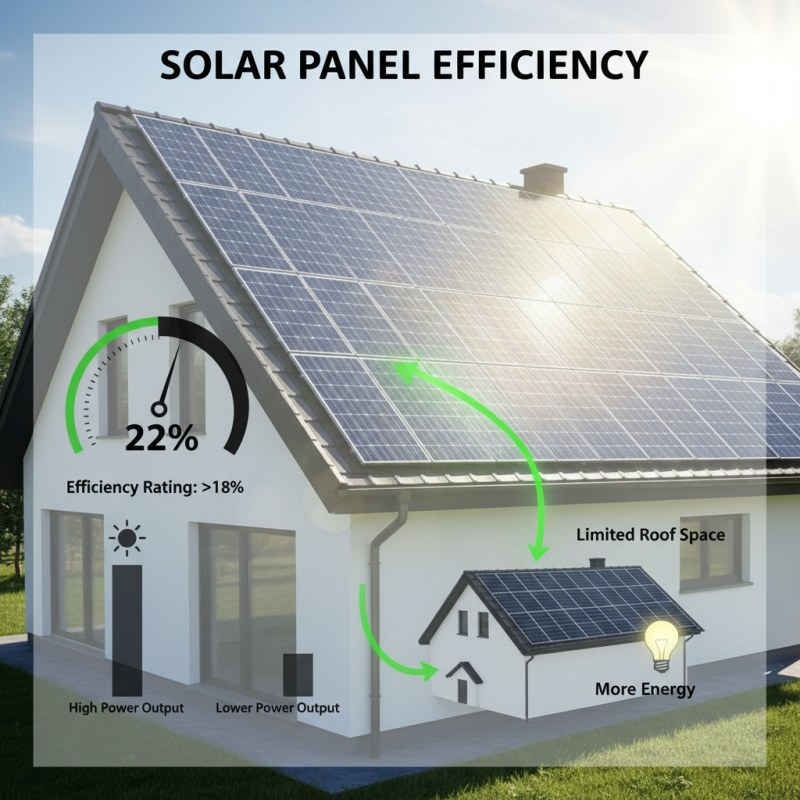
When selecting solar panels for your home, understanding quality and efficiency ratings is crucial. Efficiency refers to how much sunlight a panel can convert into usable energy. Higher efficiency means more power for your home, especially in limited roof space. Look for panels with a high efficiency percentage, ideally above 18%.
Quality ratings often come from reputable testing organizations. They evaluate durability, performance, and warranty. A good warranty can indicate confidence in the product's longevity. However, some panels may have misleading ratings; it's essential to cross-reference sources. Pay attention to materials as well. Lower-grade materials can lead to quicker degradation.
Consider your specific energy needs. Larger households may require panels with better efficiency. Conversely, smaller homes might manage well with less efficient options. Each choice comes with trade-offs. Reflect on how long you plan to stay in your home. Investing in high-quality panels may pay off in the long run, but initial costs can be significant. Understand that finding the right balance between cost, efficiency, and quality requires careful thought and research.
Considering Installation Costs and Available Incentives for Homeowners
When choosing residential solar panels, installation costs are a key factor. These expenses can vary depending on your location and the specific requirements of your home. For many homeowners, the upfront cost can seem daunting. However, understanding the long-term savings can help mitigate those initial concerns.
Solar panels can significantly reduce electricity bills. This financial relief adds up over time.
Additionally, various incentives are available for homeowners. Tax credits, rebates, and financing options can lessen the financial burden. Not every homeowner is aware of these potential benefits. Researching your local and federal programs can be time-consuming. Yet, it often pays off. Some incentives significantly lower the overall cost, making solar energy more accessible.
Understanding these factors requires careful consideration. It's also important to recognize that installation is not a one-size-fits-all process. Each home has unique needs and challenges. A consultation with a professional can provide tailored insights. However, even those experts may not cover all aspects perfectly. Homeowners must stay engaged and informed throughout the process. This proactive approach can lead to a more satisfactory solar panel experience.
Identifying Reliable Solar Panel Manufacturers and Local Installers
When choosing residential solar panels, identifying reliable manufacturers and local installers is crucial. A report from the Solar Energy Industries Association (SEIA) indicates that over 3 million solar installations exist in the United States. However, not all panels offer the same quality. It’s vital to research local installation options. Look for installers with good reputations and certifications.
Tips: Check for customer reviews online. A five-star rating can boost confidence. Consider asking neighbors about their experiences.
A study by the National Renewable Energy Laboratory shows that effective installations increase energy efficiency. Manufacturers typically provide warranties of 25 years. This means they believe in their products. Conversely, some companies may cut corners. If a company offers a significantly shorter warranty, it’s a red flag.
Tips: Compare multiple quotes. Don’t rush the decision. Asking questions is key. Seek clarity on maintenance and service options available after installation. This will help ensure you choose the best path forward for your energy needs.
How to Choose the Best Residential Solar Panels for Your Home? - Identifying Reliable Solar Panel Manufacturers and Local Installers
| Manufacturer |
Efficiency (%) |
Warranty (Years) |
Average Cost ($/W) |
Local Installer Availability |
| Manufacturer A |
20.5 |
25 |
3.00 |
Yes |
| Manufacturer B |
21.2 |
30 |
3.50 |
Yes |
| Manufacturer C |
19.8 |
25 |
2.80 |
No |
| Manufacturer D |
22.0 |
25 |
3.25 |
Yes |
| Manufacturer E |
20.0 |
20 |
3.10 |
Yes |