Top 10 Benefits of Installing a Solar Panel System?
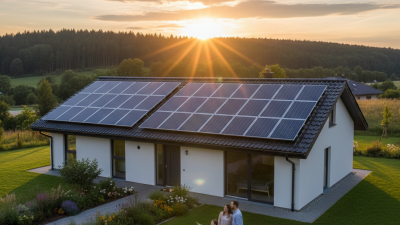
The potential of a solar panel system is significant. According to Dr. Emily Harper, a leading expert in renewable energy, “Solar technology can transform how we power our lives.” This transformation encompasses numerous benefits, making solar panels an appealing choice for homeowners and businesses alike.
Installing a solar panel system can reduce energy bills. It harnesses sunlight, offering a free source of power. Furthermore, many find it difficult to navigate the initial costs. However, financial incentives and long-term savings can offset these investments. The system also contributes to environmental sustainability. It helps in reducing carbon footprints and promotes cleaner air.
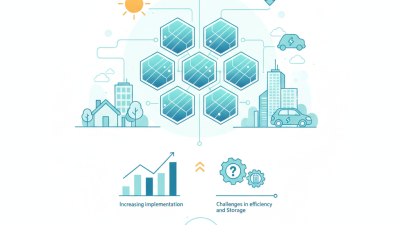
Challenges do exist. Some buildings may face limitations based on roof space or orientation. Not everyone may access optimal sunlight. That said, innovation is helping overcome these hurdles. Exploring diverse solutions leads to a brighter energy future. Embracing solar energy can be a step toward major change. Harnessing this technology reflects our commitment to a sustainable world.
Benefits of Solar Panel Systems for Homeowners
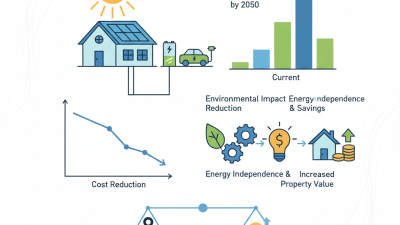
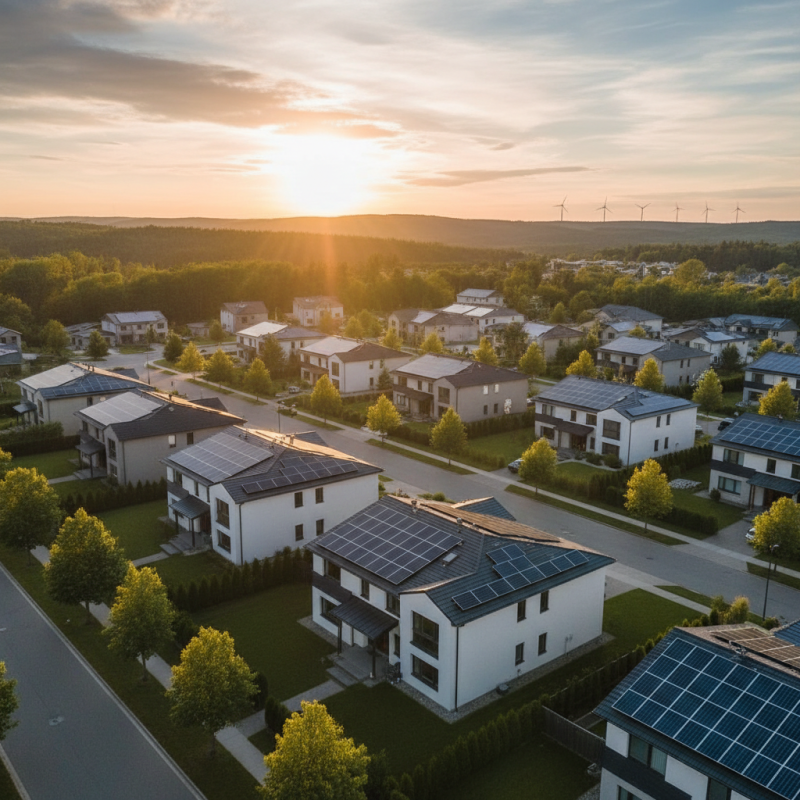
Solar panel systems offer numerous advantages for homeowners. One of the most significant benefits is energy independence. By generating your own electricity, you reduce reliance on utility companies. This can lead to lower monthly energy bills and can help protect against rising energy costs.
Additionally, solar energy is eco-friendly. It produces no harmful emissions. Homeowners can contribute to a cleaner environment while enjoying savings. The installation of solar panels can also increase property value. Many buyers value energy-efficient homes, which can set your property apart in the market.
However, homeowners should consider potential drawbacks. The initial costs can be high. Some may require financing options, which can add complexity. The effectiveness of solar panels also depends on geographical location. If you live in a less sunny area, energy production may be lower. This requires careful evaluation before making a decision.
Financial Savings and Reduced Electricity Bills
As electricity costs continue to rise, many homeowners are seeking ways to cut their bills. Installing a solar panel system can provide significant financial savings. According to a recent report from the National Renewable Energy Laboratory, homeowners can save an average of $600 annually on electricity bills. This is a substantial amount over time, and the savings can increase as utility costs grow.
Solar energy systems also protect against volatile energy prices. Many states offer incentives that can offset installation costs. Data from the Solar Energy Industries Association indicates that tax credits can cover up to 26% of initial expenses. This makes solar systems more accessible. Yet, the initial upfront cost remains a challenge for some homeowners. It's crucial to weigh long-term savings against immediate financial barriers.
Moreover, solar installations can increase property value. Homes equipped with solar panels sold for about 4% more, according to Zillow. However, interest in solar may fluctuate based on local regulations and market conditions. Homeowners must consider these factors carefully. Adapting to a solar lifestyle requires effort but can lead to lasting savings and energy independence.
Environmental Impact and Carbon Footprint Reduction
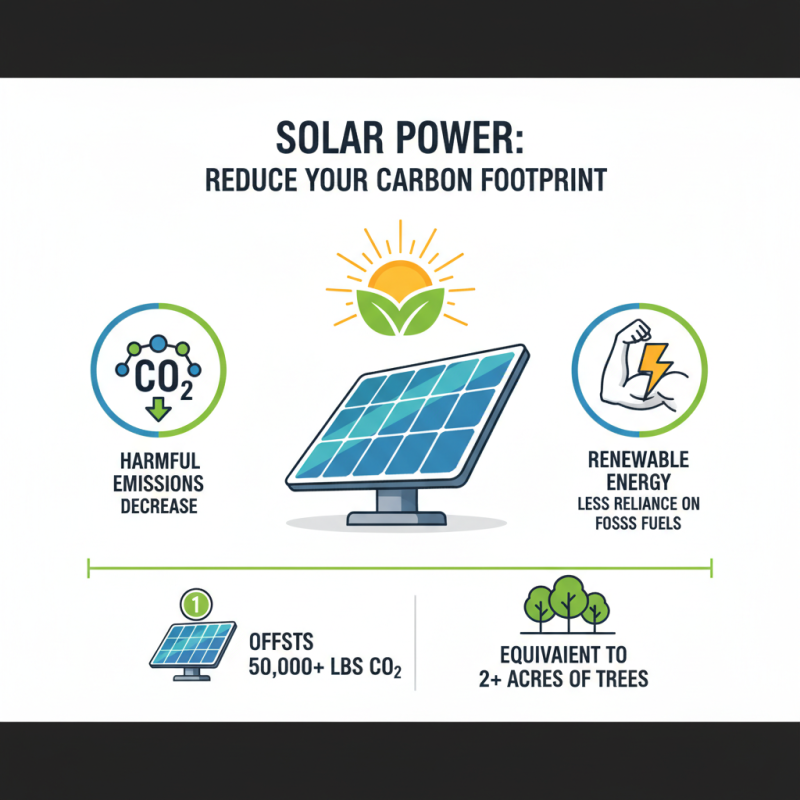
Installing a solar panel system can significantly reduce your carbon footprint. Solar energy harnesses the power of the sun, a renewable resource. This helps to minimize reliance on fossil fuels. As a result, harmful emissions decrease. In fact, one solar panel can offset over 50,000 pounds of carbon dioxide over its lifetime. That’s equivalent to planting over two acres of trees.
Making the switch to solar impacts the environment positively. The energy produced does not pollute or deplete resources. It also decreases air pollutants that contribute to climate change. Using less energy from non-renewable sources leads to cleaner air for everyone. Moreover, your local ecosystem benefits from reduced heat and habitat disruption.
Tips: Choose high-efficiency panels when deciding. Look for local programs that offer rebates or incentives. Keep your system maintained to ensure optimal performance. Investing in solar is not just about savings; it's about taking responsibility for our planet's future. However, not every roof is suitable for solar installation. Evaluate your space carefully.
Increase in Property Value with Solar Installation
Installing a solar panel system can significantly enhance the value of your property. Homebuyers are increasingly looking for green energy solutions. A solar installation immediately signals sustainability. Properties with solar systems often sell for more compared to traditional homes.
The increase in property value is not just a myth. Studies show that homes with solar panels can increase their market value by thousands. Imagine a buyer searching for energy-efficient homes. A solar installation stands out as an appealing feature. Furthermore, potential buyers may appreciate the energy savings. This aspect adds tangible value to the investment.
However, it's crucial to consider the installation costs. Initial expenses can be substantial, and not every home can accommodate panels. Some roofs may not be ideal for solar energy capture. Also, local regulations may complicate installation plans. Thus, while solar panels can increase value, it’s vital to plan carefully. Understanding your specific situation is key before committing.
Energy Independence and Resilience During Power Outages
Installing a solar panel system allows homeowners to achieve energy independence. This independence means less reliance on the grid. During power outages, a solar setup can provide crucial support. Data shows that solar energy systems can deliver power even when the grid is down. This is essential in maintaining essential functions at home.
Power outages are unpredictable. In the U.S., nearly 70 million people experienced outages in 2020. A solar panel system paired with battery storage can keep lights on and devices charged. This offers peace of mind. Homeowners can enjoy uninterrupted power during storms or blackouts. Solar energy can make your home a fortress of reliability.
Tip: Consider investing in high-capacity batteries. This can store excess energy for later use. It ensures you have enough power when the sun isn't shining. Evaluate your home’s energy needs carefully. An improperly sized system may lead to shortages during crucial times. The goal is resilience and self-sufficiency. Make every watt count, and invest wisely.
Conclusion
Installing a solar panel system offers numerous benefits for homeowners, significantly enhancing both financial and environmental aspects of daily living. One of the primary advantages is the potential for substantial financial savings, as homeowners can drastically reduce their electricity bills by generating their own energy. Additionally, the installation of a solar panel system contributes to a decrease in carbon footprint, promoting sustainability and environmental conservation.
Beyond savings, a solar panel system can increase property value, making homes more attractive to potential buyers. It also provides energy independence, giving homeowners resilience during power outages. Furthermore, various tax incentives and government rebates are available to encourage solar adoption, making it a financially viable option for many. Overall, the shift to solar power not only benefits individual homeowners but also contributes to a healthier planet.